

The CV Is Losing Its Value – Why Organizations Must Measure Competencies Not Read Résumés
The CV Is Losing Its Value – Why Organizations Must Measure Competencies Not Read Résumés
A CV tells the story of a person’s past, yet organizations use it to predict how that person will perform in the future. That is why the CV is steadily losing its decisive role in modern recruitment. The CV tells the past; organizations need to predict the future.
🎥 Watch the AI Talent H&HIS introduction video here.
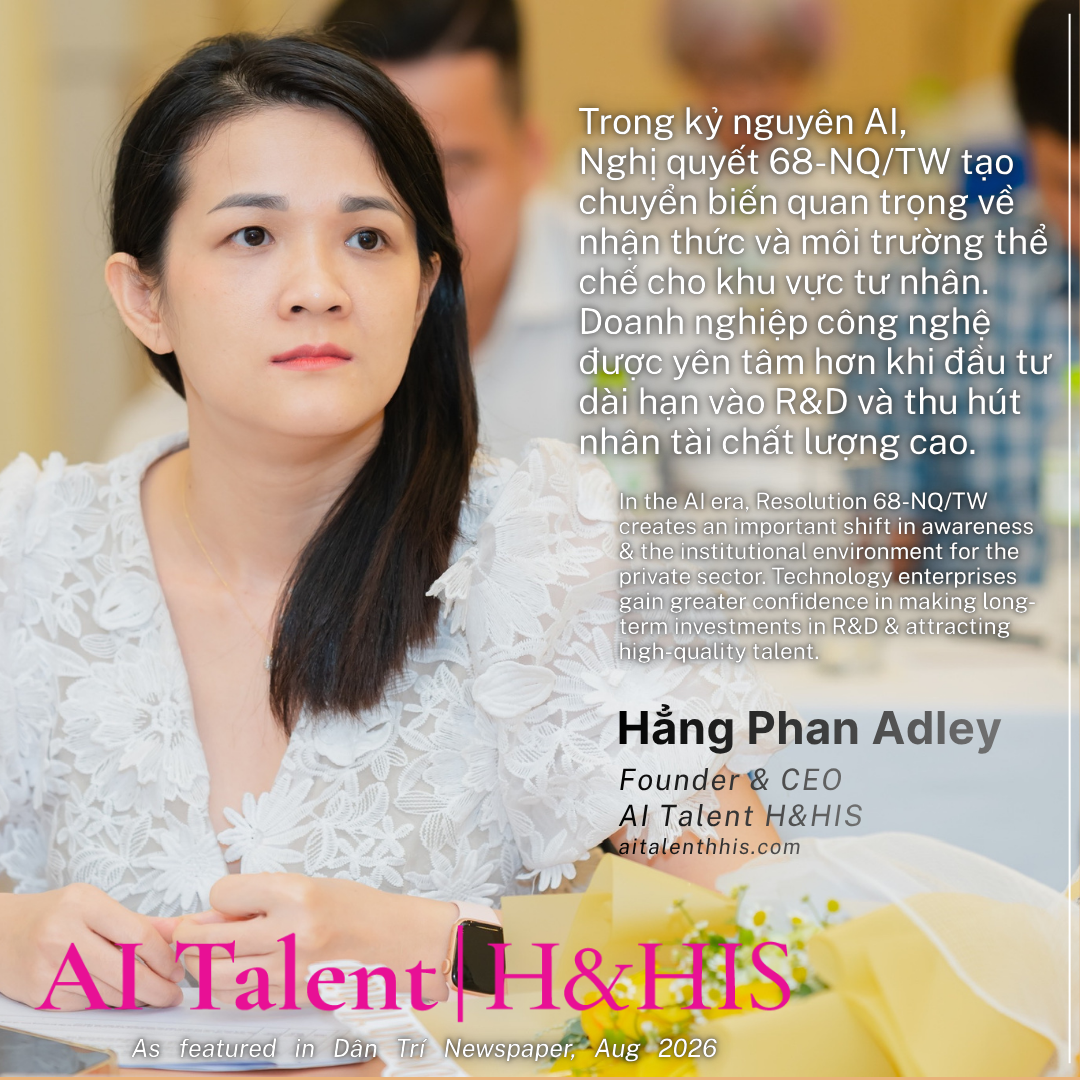
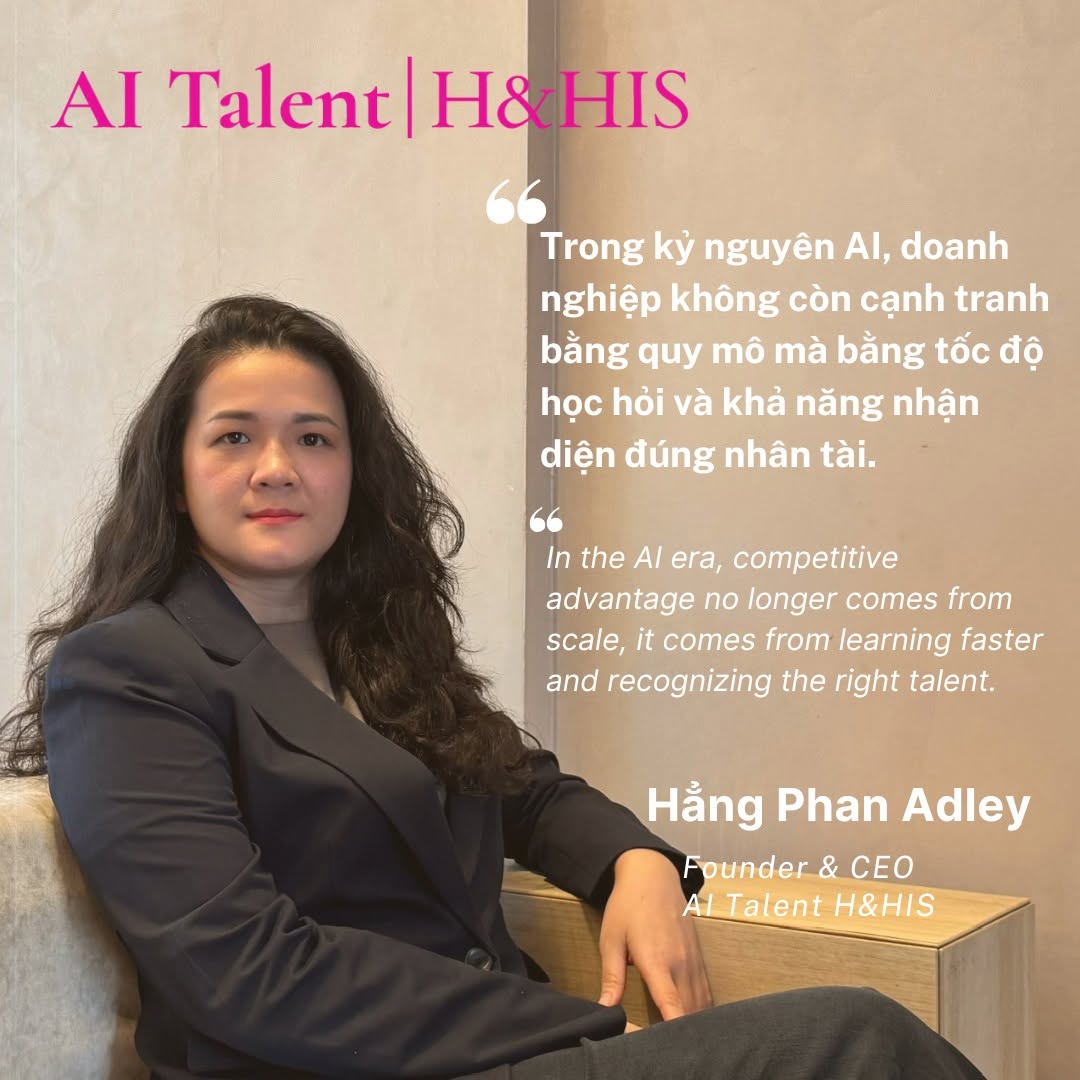
In a previous article, Ms. Hang Phan Adley, Founder & CEO of AI Talent H&HIS, highlighted an issue that many organizations have yet to recognize: today’s recruitment systems are gradually becoming outdated. A CV helps recruiters picture the path a candidate has travelled. But the question an organization really needs to answer is a different one: how will this person work, and what will they contribute to the organization in the time ahead? Using a document about the past to answer a question about the future is where every distortion begins.
The CV is self-reported data – lots of noise, little signal
From a data perspective, modern recruitment research classifies the CV as self-reported data: information selected and presented by the candidates themselves.
This does not mean candidates are dishonest. But everyone tends to highlight what makes them stand out, tailor their wording to the role they are applying for, and leave out the less flattering parts. As a result, a CV rarely reflects a person’s true profile: how they collaborate with colleagues, how they get work done, and how they handle pressure and conflict.
This is the gap between signal – the factors that genuinely predict job performance and noise; the factors that make a profile look good without saying anything about capability. Many research organizations around the world have shown that CVs contain a great deal of noise.
In the age of AI, this gap is even wider: within minutes, a candidate can produce a polished, keyword-perfect, beautifully formatted CV – yet their actual capabilities remain unchanged.
The problem lies not only in the CV, but in how we make decisions
Even setting the CV aside, hiring decisions are easily skewed by the very people sitting at the interview table. In practice, interview panels tend to:
– Favor candidates who are likeable and confident in front of others.
– Trust candidates who make a strong first impression.
– Unconsciously prefer people who resemble themselves; in personality, values, background, and even hometown or age.
But organizations do not need people they like. They need people who can solve the problems the organization is facing.
The rarely spoken truth: hiring people who are easy to manage instead of people who are capable
There is a reality that is rarely acknowledged: in many organizations, recruitment is not about finding better people, but about finding people who are easier to manage, people who simply do as they are told.
Some managers unconsciously screen out candidates who are more capable than themselves. Some hire “followers” instead of bringing talent onto their team. Some organizations build workforces of hundreds or thousands of people not to grow, but to serve; choosing those who make them feel safe and unthreatened.
The consequence is serious: the organization has no shortage of people, but a shortage of capability.
From a strategic perspective, this is a major mistake. The essence of recruitment is not adding headcount, but filling the competency gaps the organization faces. So the question is: who should assess those competencies? An internal team that lacks those very competencies, or a system that can measure them objectively and consistently?
Global corporations answered this question long ago
Multinational corporations stopped relying on CVs long ago, and they do not leave the entire decision to the feelings of a few interview panel members. Their process typically follows this approach:
1. Data-driven assessment rather than self-reported profiles.
2. Real-world situational tests that simulate the actual work the candidate will do.
3. Measurement of behavior, thinking, and decision-making against consistent standards.
4. A final round conducted by qualified assessors, solely to validate the results above.
Technology will never replace people. But technology helps people make better decisions.’
AI Talent H&HIS: from “reading résumés” to “measuring competencies”
That is exactly why H&HIS built AI Talent H&HIS. We are not just an interviewing and competency assessment platform; we are a system that helps organizations:
– Establish clear competency standards for every position.
– Design competency frameworks aligned with business strategy.
– Build development roadmaps for management teams.
– Measure competencies objectively and consistently, minimizing subjective judgment.
The CV is not disappearing, but its role has changed
The CV will not disappear. But while it was once a decisive tool, today it is merely a reference document.
In this new era, the winning organizations are not those that hire the most people, but those that clearly understand which competencies they lack and know how to measure them accurately.
Is your organization hiring based on CVs or on competencies? Contact the AI Talent – H&HIS team for advice on building a competency framework and an assessment system tailored to your organization.
Watch the full talk here: AI Talent H&HIS: CV đang dần mất giá trị
AI Talent H&HIS – Hire Smarter. Grow Faster.
Explore now: https://aitalenthhis.com
Hotline: (+84) 97 360 7502
📩 Sign up for a free trial today and start optimizing your hiring process with AI.
For expert consultation, contact: bd@hinternationalstrategy.com
AI Talent H&HIS, the leading AI-powered interview and skills assessment platform in Vietnam and Southeast Asia.
”H&HIS – The minds behind the innovation of AI Talent H&HIS“