An Organization Is Only as Scalable as Its CEOs Capacity to Design Systems
An Organization Is Only as Scalable as Its CEO’s Capacity to Design Systems
If the system is the problem, then the capability of the leader who built that system is the root cause. Organizations are rarely slowed down by the market or by their people. They are slowed down by the limits of their own leader’s capability.
🎥 Watch the AI Talent H&HIS introduction video here.
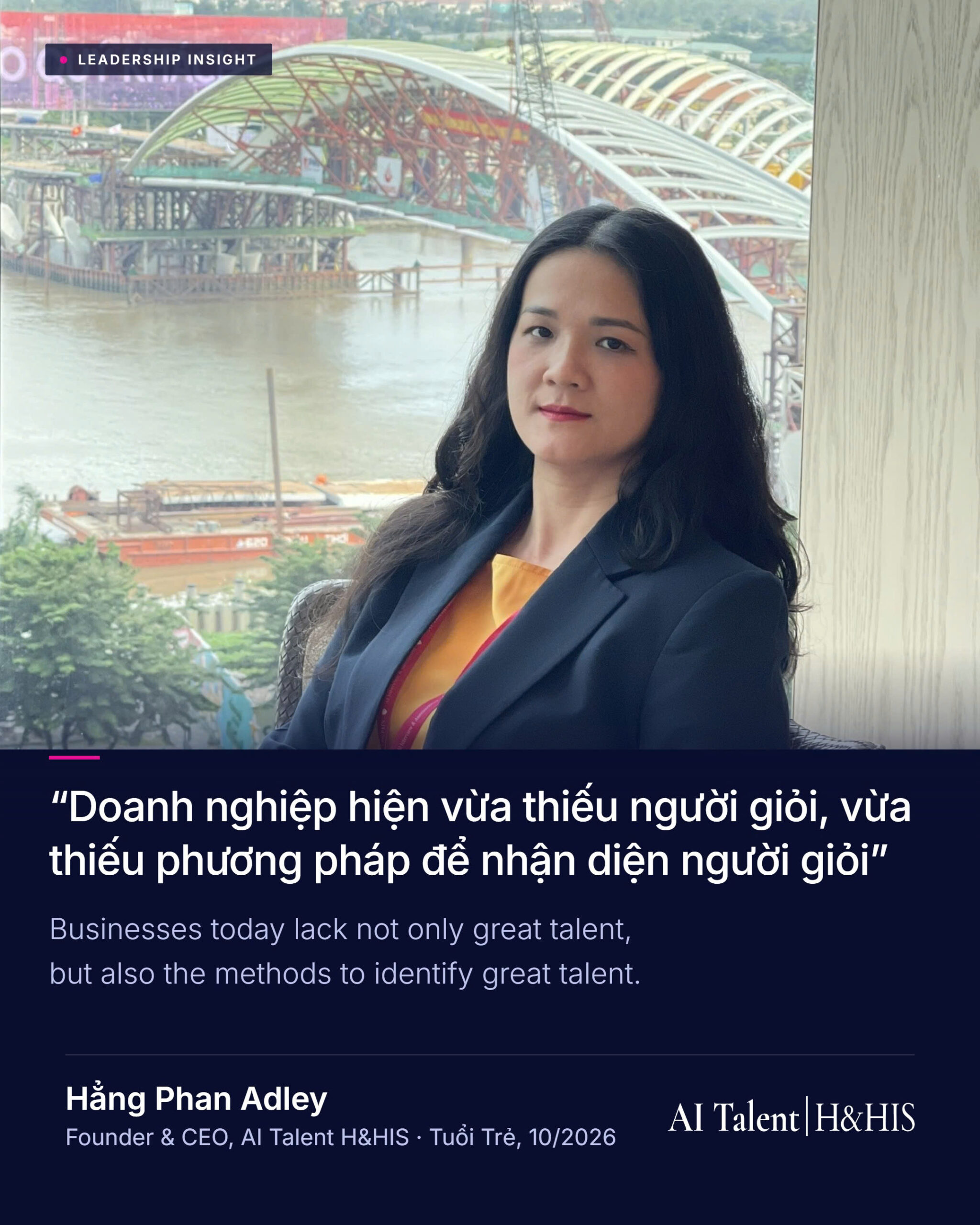
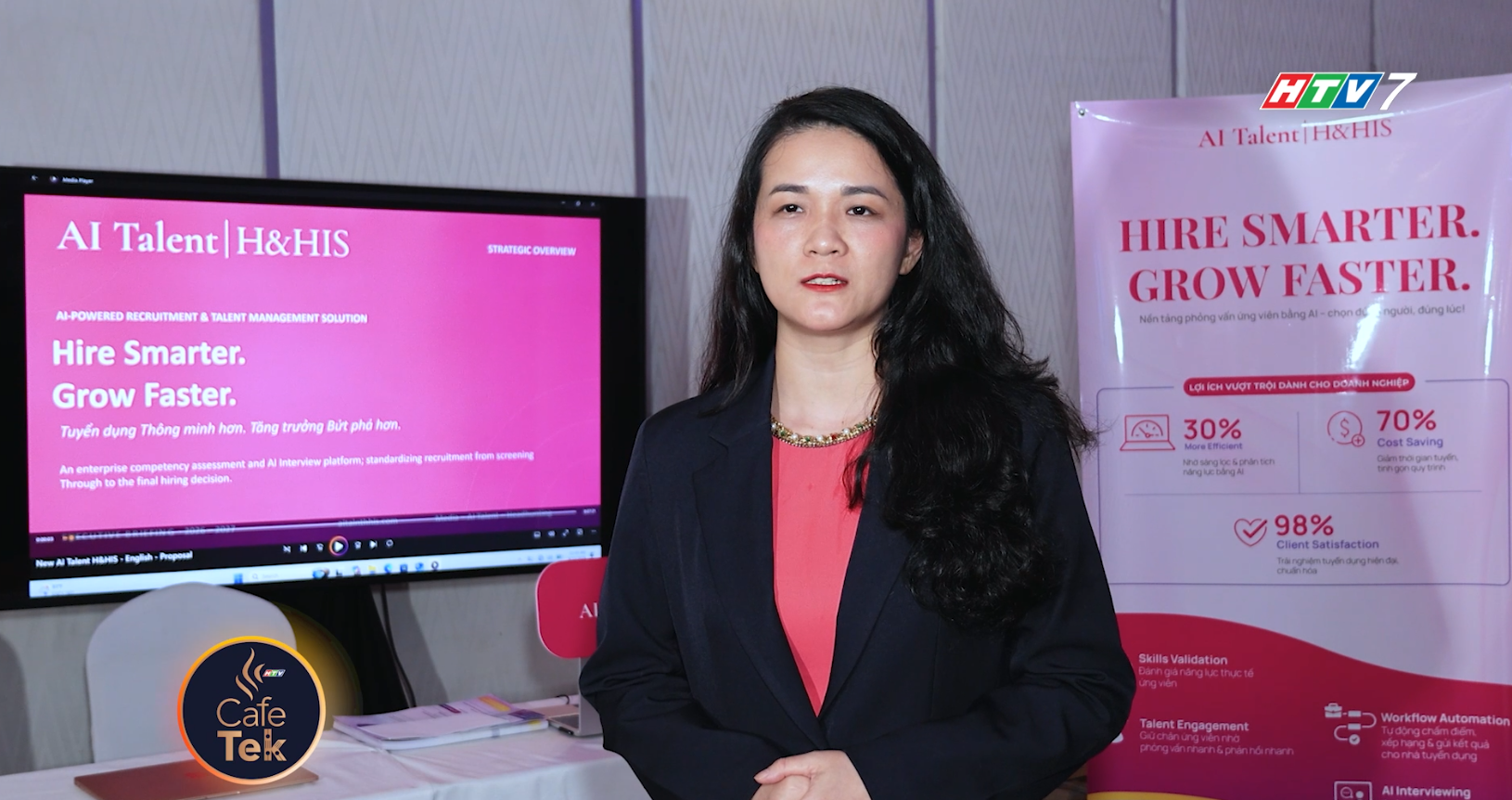
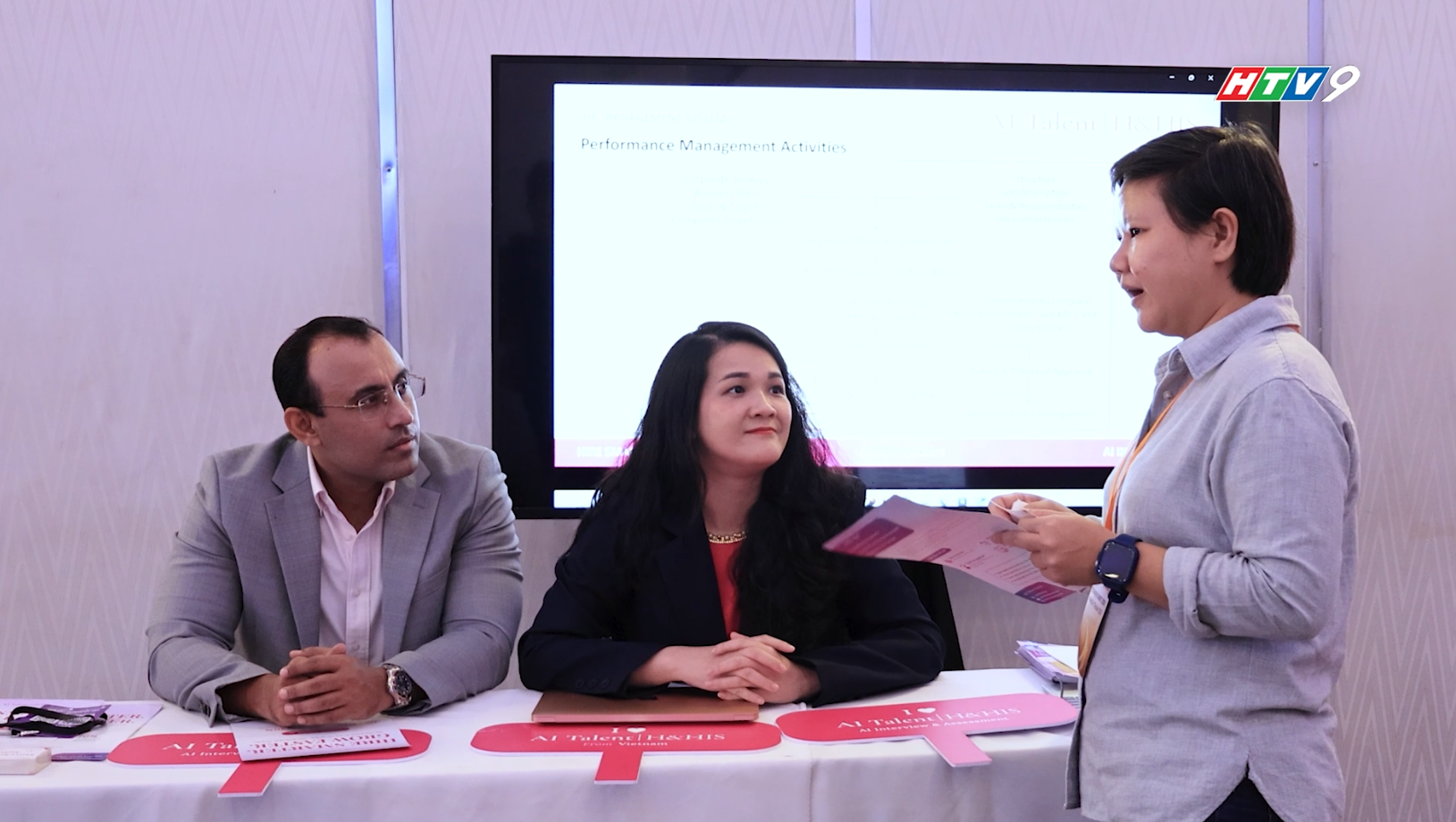
In her previous video, Ms. Hang Phan Adley, Founder & CEO of AI Talent H&HIS, discussed how the HR function is gradually becoming a strategic part of the organization. In this video, she turns to a pressing topic: if the system is the problem, the capability of the leader who designed it is the real root cause. (Based on the talk by Founder & CEO Hang Phan Adley on April 22, 2026 – Watch the video)
When the CEO becomes the organization’s “capability ceiling”
This may be a hard truth to accept. In many organizations, the CEO is the most capable person in the room, the fastest decision-maker and the one with the deepest understanding of the issues. Yet that is precisely what creates the problem: the organization performs well only within the boundaries of the CEO’s own capability. At that point, the CEO is no longer simply the leader, but has become the organization’s capability ceiling.
Numerous analyses in Harvard Business Review point out that dependence on the founder or CEO is one of the biggest barriers to scaling. McKinsey likewise argues that to grow sustainably, organizations must shift from individual-driven decision-making to organization-driven decision-making, which means standardizing and systematizing.
Large organizations became large precisely because they succeeded in making that shift. But there is one principle: an organization cannot standardize or systematize without understanding the core capabilities of its people.
Apple: each CEO creates a different path to success
Steve Jobs had the ability to see what did not yet exist and turn it into products the whole world would crave. He created the iPhone and led Apple to victory.
Tim Cook was different. Before becoming CEO, he was the architect of Apple’s global supply chain, renowned for cost control, operational optimization and highly disciplined capital allocation. Under Tim Cook, Apple achieved strong growth in revenue and profit, sustained high margins and became one of the most valuable companies in the world.
Apple under Tim Cook succeeded not through breakthroughs, but by scaling, controlling and optimizing the capabilities of the entire system.
The lesson: there is no such thing as the best CEO, only a CEO who clearly understands their own capabilities and knows how to use them well.
Tim Cook’s successor: a signal of a new chapter
In April 2026, Apple announced that John Ternus would succeed Tim Cook, formally taking over as CEO on September 1, 2026. An engineer by background, he led Apple’s entire hardware engineering organization for many years.
This shows that Apple was not looking for a second Steve Jobs, but chose someone with deep product understanding, a strong grasp of core capabilities and the know-how to build better products. One can expect that after a period of cost and operational optimization under Tim Cook, Apple will return to a phase of investing in product capability.
Every CEO change is not simply about putting a new person in the chair. It changes the way the organization creates value and succeeds:
– An operations-driven CEO: the organization wins through cost and system optimization
– A product-driven CEO: the organization wins through user experience and product innovation
– A visionary CEO: the organization wins by leading the market
Organizations do not change when the market changes. They change when the capability of their leader changes.
Apple’s challenge in the AI era
According to Ms. Hang Phan Adley, Apple today does not lack great products. What it needs is the capability to create and own the future, to redefine the game in the AI era.
Without owning AI, Apple may always have to place Google between itself and its users. Google remains the default search engine in Apple’s browser, and the next generation of Siri is built on Google’s Gemini models. Users are on Apple devices, but the “intelligence” comes from Google. Unless this changes, Apple will struggle to fully own the user experience on its own devices.
This is John Ternus’s greatest challenge: not only to keep Apple stable, but to make a shift bold enough to end Apple’s dependence on third-party platforms. It remains to be seen how Apple’s next chapter will be written.
Pham Nhat Vuong: fast decisions and bold risk-taking
Pham Nhat Vuong, founder and chairman of Vingroup, is known for making fast decisions and taking bold risks. That is a form of leadership capability, and it enabled VinFast to be built in a remarkably short time.
The lesson: each type of leadership capability creates a different kind of organization.
The core problem: CEOs do not know precisely what their capabilities are
The core issue is not whether a CEO is right or wrong, but that most CEOs do not know precisely what their capabilities are. More dangerously, they design their organizations around what they believe they are good at, rather than what truly drives results. The consequences:
– Hiring the wrong people, because capability is not measured accurately
– Delegating to the wrong people, because capability is not understood
– Failing at scale, because the capabilities that create results cannot be measured
The problem is not a lack of talented people. It is the inability to measure who is truly talented, in what, and where. Without that, an organization cannot envision how to scale, cannot delegate authority, and cannot build a sustainably growing organization.
Measuring and decoding human capability
AI Talent H&HIS is not simply an intelligent interview platform, but a platform for measuring and decoding human capability. We help organizations:
– Measure each individual’s real capabilities
– Analyze how they create results
– Generate in-depth capability reports
This enables organizations to hire the right people, deploy them in the right roles and, most importantly, build the organization on real capability rather than intuition.
Because an organization cannot scale what it cannot measure.
Does your organization truly understand its own capabilities and those of its team, or are decisions still based on gut feeling, past experience and guesswork?
And one final question: if you had to rebuild your entire team today, would you know exactly which capabilities you need? If the answer is no, the problem is not your people. It is that you have never truly measured capability.
Watch the full talk: AI Talent H&HIS: An Organization Is Only as Scalable as Its CEO’s Capacity to Design Systems – YouTube
AI Talent H&HIS – Hire Smarter. Grow Faster.
Explore now: https://aitalenthhis.com
Hotline: (+84) 97 360 7502
📩 Sign up for a free trial today and start optimizing your hiring process with AI.
For expert consultation, contact: bd@hinternationalstrategy.com
AI Talent H&HIS, the leading AI-powered interview and skills assessment platform in Vietnam and Southeast Asia.
”H&HIS – The minds behind the innovation of AI Talent H&HIS“