Companies Fail by Building the Wrong Core Competence
Companies Fail by Building the Wrong Core Competence
What happens when an organization builds the wrong capabilities? Nokia was once the world’s number one mobile phone maker, with leading engineers and superior technology, yet it was left behind within just a few years. Companies do not fail for lack of capability. They fail because they build capability for the present while the market has already moved on to the capabilities of the future.
🎥 Watch the AI Talent H&HIS introduction video here.
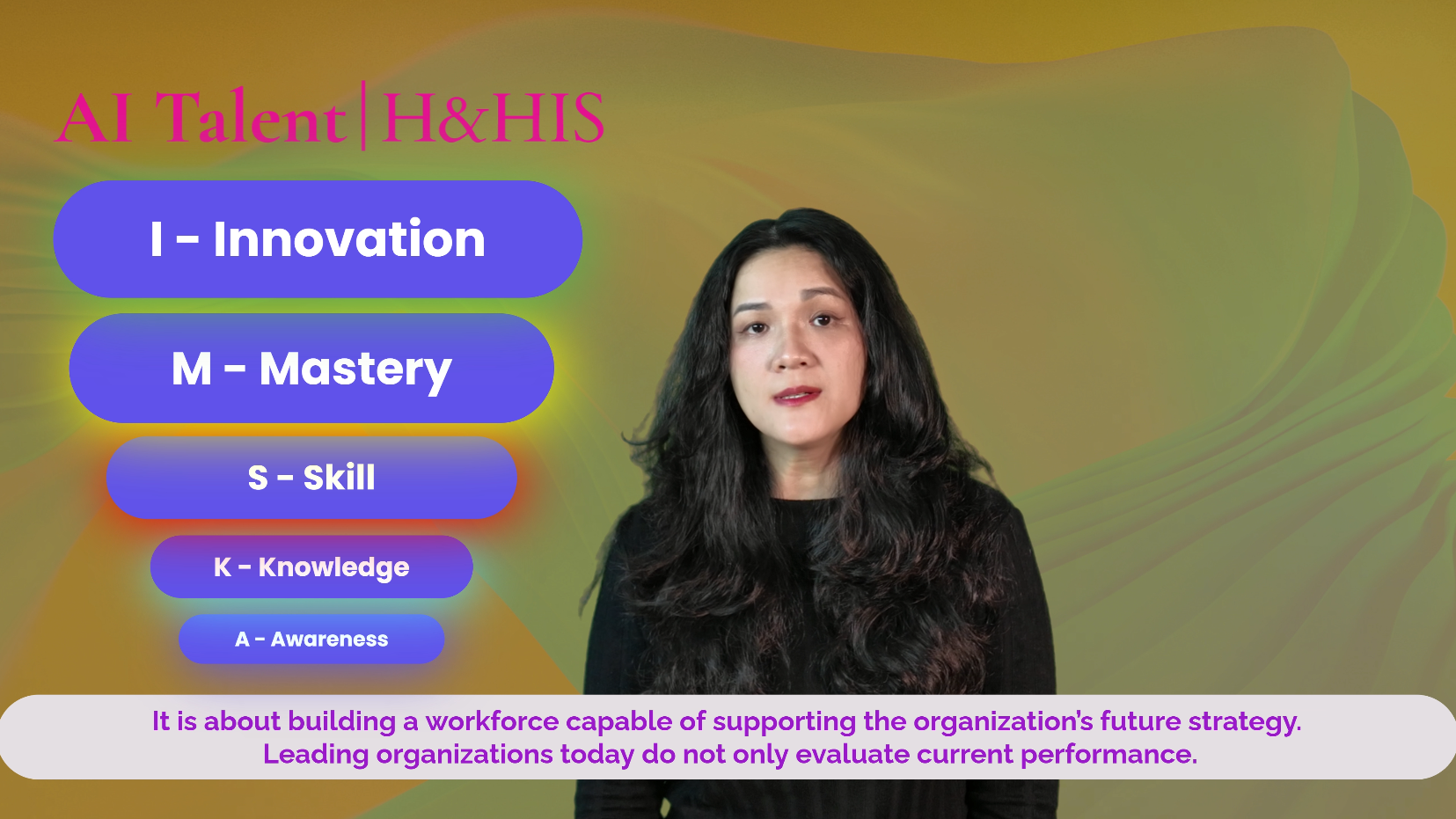
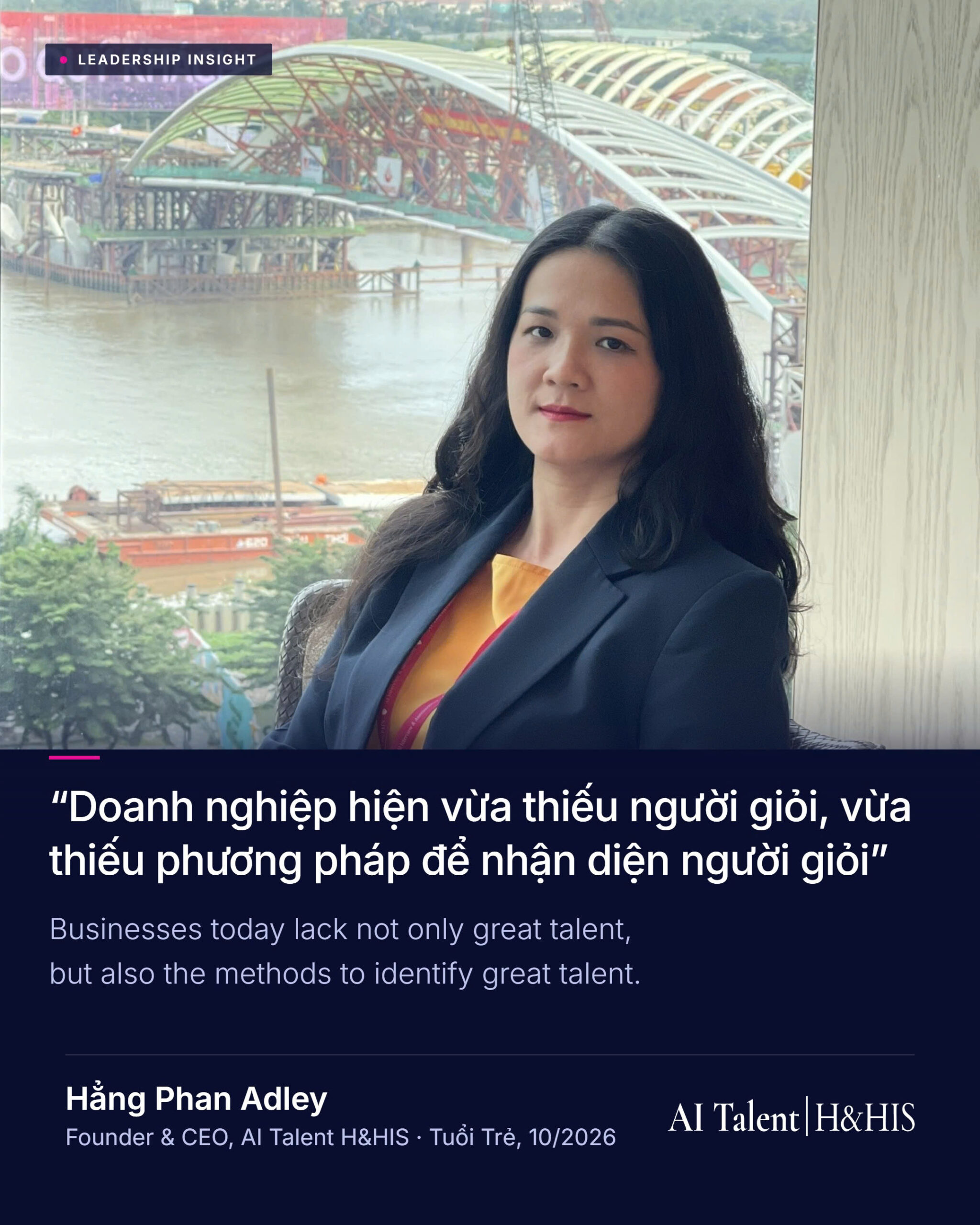
In the previous video, Ms. Hẳng Phan Adley, Founder & CEO of AI Talent H&HIS, explained that core competence is not a slogan but a system that organizations invest in deliberately over many years. In this video, she asks a harder question: what happens when an organization builds the wrong capabilities? (Shared by CEO & Founder Hẳng Phan Adley on March 28, 2026 – Click to watch the video)
The Lesson from Nokia: Not a Shortage of Capability, but the Wrong Capability
Nokia was once the world’s leading mobile phone company, with more than 40% of the global market. It had world-class engineers and superior technology. It did not lack resources, experience, or capability. Yet within a few years, it all but disappeared from the game.
Many people say Nokia failed to innovate or missed the smartphone shift. Viewed through a talent and capability lens, a deeper analysis is possible: Nokia may not have managed capability as a strategic asset, and its HR function may not have played a strategic role. There are two possibilities:
– The first: HR failed to anticipate the new capabilities the market would demand once smartphones arrived. The game shifted from hardware to software, and from devices to ecosystems. Without seeing this shift early, the organization kept investing in its old capabilities.
– The second, and more serious: Nokia did see the trend, but HR was not persuasive enough to move the leadership, nor forceful enough to push the organization to let go of the old.
Changing a core competence is never an easy decision, because it means changing strategy and organizational structure. By the time competitors have built the new capabilities, the market has shifted, and top talent is preparing to leave, the competitive advantage has already been redefined by someone else. No organization can transform itself from a hardware manufacturer into a platform company in a few months, or even a few years.
Nokia did not lack capability. It held capabilities the future no longer needed. Apple and Google, by contrast, built capability not only for the present but also for the future.
Choosing the Right Capability to Invest in for the Long Term
Alibaba and JD.com offer a similar lesson. Neither tried to do everything. Each chose a core competence and invested in it over the long term:
– Alibaba: building a commerce ecosystem.
– JD.com: focusing on logistics and supply chain.
No single model is universally right, but one principle holds: core competence is what an organization deliberately chooses to build in order to create competitive advantage for the future. No one can be good at everything, but everyone must choose the right things to be good at.
The Paradox of Optimizing for the Present
Many organizations will recognize a paradox: the harder they optimize the present, the less they invest in the future. Many do not lack foresight. They lack the willingness to change, trapped by this quarter’s and this month’s revenue figures, by this year’s KPIs, and by short-term performance pressure. This is how organizations weaken themselves over time.
The critical question is therefore no longer only “What are we good at?” but “Which capabilities are we building so that we keep growing in the future?”
HR’s Strategic Role
This is where HR must:
– Forecast the organization’s future capability needs.
– Know how to influence strategy.
– Lead the organization through change.
Without this, the organization will always trail the market, and by the time it recognizes the need to change, it will be out of time, because core competence cannot be built overnight.
A Platform to Help Organizations Build the Right Capabilities
That is why AI Talent H&HIS was built. The platform does more than help organizations assess candidates. It helps them to:
– See their current capabilities clearly.
– Forecast the capabilities they will need in the future.
– Build capabilities strategically.
In the end, organizations do not fail because they lack talented people. They fail because they do not build the right capabilities at the most critical moment.
And remember this: we may not lose to competitors because we move too slowly, but because we are moving confidently in the direction that was right five years ago.
Is your organization building capabilities for today or for tomorrow? Contact the AI Talent H&HIS team for guidance on building a competency framework and an assessment system suited to your business.
Watch the full talk here: AI Talent H&HIS: Companies Fail by Building the Wrong Core Competence – YouTube
AI Talent H&HIS – Hire Smarter. Grow Faster.
Explore now: https://aitalenthhis.com
Hotline: (+84) 97 360 7502
📩 Sign up for a free trial today and start optimizing your hiring process with AI.
For expert consultation, contact: bd@hinternationalstrategy.com
AI Talent H&HIS, the leading AI-powered interview and skills assessment platform in Vietnam and Southeast Asia.
”H&HIS – The minds behind the innovation of AI Talent H&HIS“